
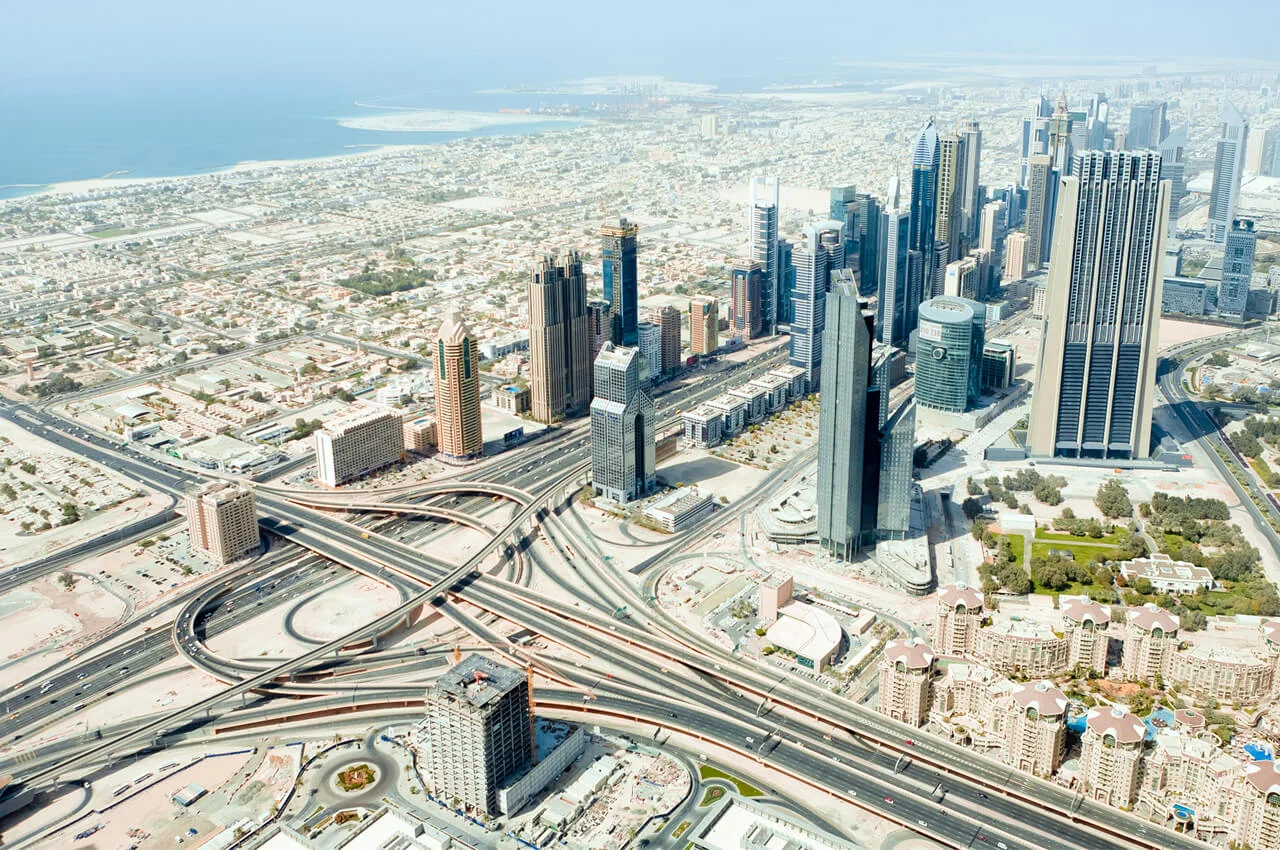
Cities are becoming some of the most important centers of innovation, culture, business, and technology. As populations grow and new challenges emerge, urban areas are changing how people live, work, travel, and connect.
From smart infrastructure to sustainable transportation, cities around the world are experimenting with new ideas that could shape the future of urban life.
Technology Is Transforming Urban Living
Digital technology is becoming increasingly important in modern cities. Governments and organizations are using connected systems to improve transportation, public services, energy management, and communication.
Smart city technology can help collect and analyze information about how urban spaces are being used. This can support better planning and help cities respond more efficiently to everyday challenges.
Key Insight: The future of cities is not only about building more infrastructure. It is also about making existing systems smarter and more efficient.
Sustainable Transportation Is Taking Center Stage
Transportation is one of the biggest challenges facing growing cities. Many urban areas are investing in public transportation, cycling infrastructure, pedestrian-friendly streets, and electric mobility.
| Urban Change | Potential Benefit |
|---|---|
| Better public transport | Easier daily travel |
| Cycling infrastructure | More mobility options |
| Walkable neighborhoods | Healthier urban environments |
| Electric transportation | Reduced dependence on conventional fuels |
| Smart traffic systems | More efficient movement |
These changes can make cities easier to navigate while supporting broader environmental goals.
Green Spaces Are Becoming More Important
As cities become denser, access to parks and other green spaces is receiving greater attention. Trees, public gardens, urban parks, and green corridors can become important parts of the urban environment.
Green spaces also provide places where residents can relax, exercise, and interact with their communities.
Innovation Is Creating New Economic Opportunities
Cities with strong technology, education, and business ecosystems can attract entrepreneurs, investors, and skilled workers. Innovation hubs are helping create new companies and industries while transforming traditional sectors.
Technology districts, startup communities, research centers, and universities can all contribute to this environment.
For cities, supporting innovation is increasingly about creating an ecosystem where businesses, researchers, students, and communities can work together.
The Future of Work Is Changing Urban Centers
Remote and hybrid work have also changed how people use cities. Traditional office districts are evolving as businesses reconsider how much space they need and employees spend more time working outside conventional offices.
This creates opportunities to rethink commercial areas, housing, transportation, and public spaces.
Cities Are Becoming More Connected
Modern cities are increasingly connected through digital networks, transportation systems, businesses, and communities. This connectivity can make services more accessible and provide new ways for residents to participate in urban life.
However, technology alone cannot solve every urban challenge. Successful cities also need thoughtful planning, reliable infrastructure, accessible public services, and policies that consider different communities.
Building the Next Generation of Cities
The cities leading the next era will not necessarily be defined by technology alone. Their success will depend on how effectively they combine innovation with sustainability, accessibility, economic opportunity, and quality of life.
As urban populations continue to grow, the decisions made today will influence how cities function for decades to come. The next generation of urban development is already taking shape—and cities around the world are approaching that future in very different ways.