
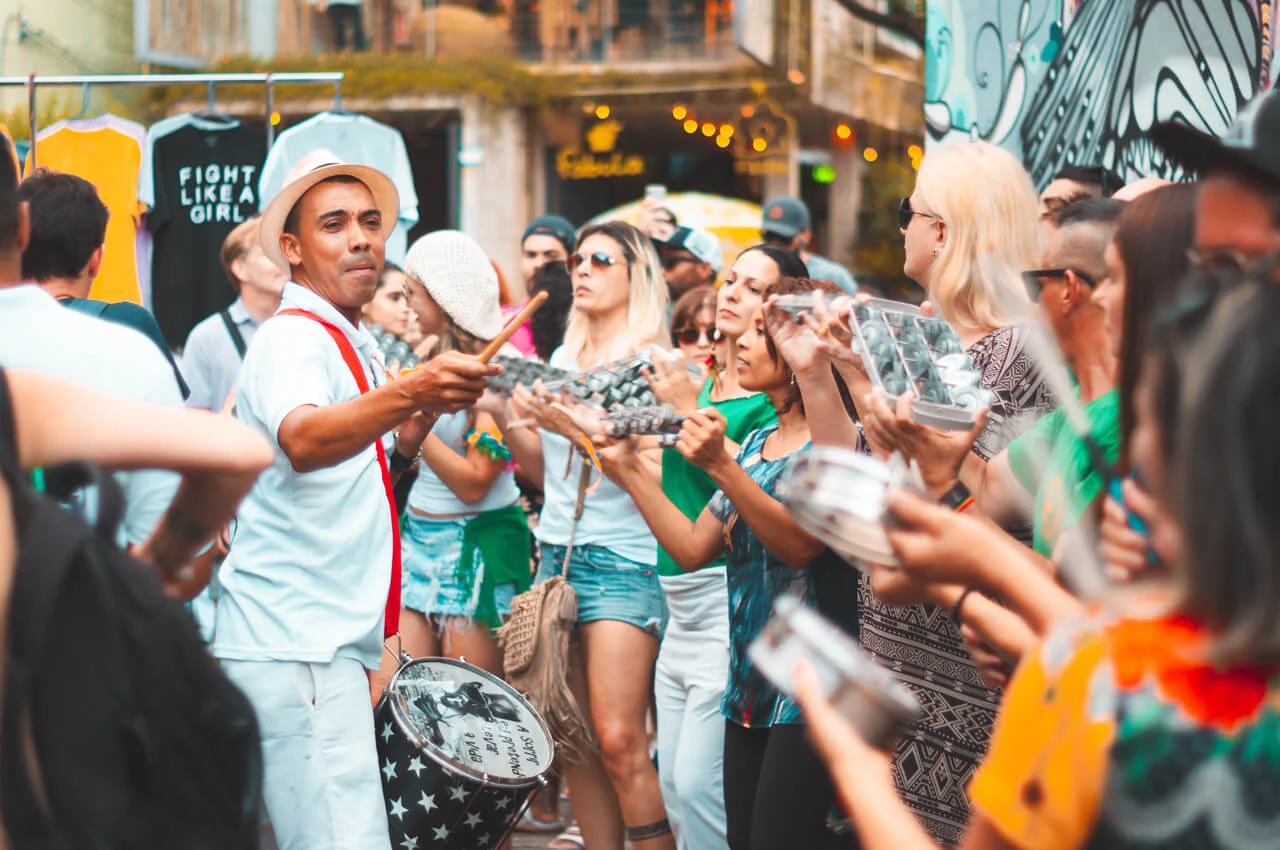
Culture has always evolved, but the pace of change feels faster than ever. New technologies, social platforms, global communication, and changing lifestyles are influencing how people communicate, create, consume entertainment, and connect with one another.
What once took years or generations to become mainstream can now spread across the world within days. This acceleration is changing not only popular culture but also the way people understand identity, creativity, and community.
Social Media Has Changed Cultural Conversations
Social media has made it possible for people from different backgrounds and locations to participate in the same cultural conversations.
A song, fashion style, phrase, or creative idea can gain international attention almost instantly. At the same time, smaller communities can create their own spaces and share ideas without depending entirely on traditional media.
Key Insight: Culture is no longer shaped only by major institutions. Individuals and online communities can influence global trends too.
Entertainment Is Becoming More Global
Streaming platforms have made movies, television programs, music, and other forms of entertainment more accessible across borders.
Audiences can discover stories from countries and cultures they may previously have had little exposure to. This has created opportunities for creators to reach international audiences while also introducing viewers to different perspectives.
The result is a cultural environment where local and global influences increasingly overlap.
Fashion and Lifestyle Trends Move Quickly
Fashion trends that once developed through magazines, television, and physical stores can now spread through social media and online communities.
A particular style can become popular quickly and then be replaced by something new just as fast. Consumers are also increasingly mixing influences from different decades, cultures, and online communities.
This has made personal style more diverse while making trends less predictable.
Technology Is Changing How We Create
Digital tools have lowered the barriers to creative work. People can now produce videos, music, artwork, photography, and written content using tools that were once available mainly to professionals.
This has created several major changes:
- More people can become creators
- New creative communities can form online
- Independent creators can reach large audiences
- Traditional media boundaries are becoming less defined
Technology has not replaced creativity. Instead, it has changed who can participate and how creative work can be shared.
Younger Generations Are Influencing Culture
Younger audiences often adopt new technologies and communication styles quickly. Their preferences can influence entertainment, fashion, language, advertising, and consumer behavior.
Brands and media companies increasingly pay attention to these changing preferences because cultural trends can influence what audiences watch, buy, share, and discuss.
Global Connections Are Creating New Influences
People are more connected across borders than ever before. Travel, migration, digital communication, and international media allow ideas and traditions to move between communities.
This can create new combinations of music, food, fashion, language, and art. At the same time, it can encourage renewed interest in local traditions as communities look for ways to preserve their unique identities.
Culture Will Keep Evolving
Modern culture is changing quickly because the systems that spread ideas have become faster and more connected. Technology gives individuals greater opportunities to create and participate, while global communication allows cultural influences to travel across borders almost instantly.
The result is a cultural landscape that is more diverse, interactive, and unpredictable than before. What becomes popular tomorrow may come from almost anywhere—and anyone can have a role in shaping it.